Sunday, February 28, 2010


Facebook for Pharma
Pfizer has a new Facebook fan page, writes John Mack. But there's something funny going on.
We're number 1!
 Among developed countries, the United States comes out near the top for violence, drug use, obesity, mental illness, teenage pregnancy and illiteracy. The cause is not poverty, argue Kate Pickett and Richard Wilkinson in their book, The Spirit Level. It's inequality. Read an interview in The Boston Globe.
ASBH call for proposals
The American Society for Bioethics and Humanities will hold its annual meeting on October 21-24, 2010, in San Diego, CA. Proposals are due on March 3, 2010 (including the student paper competition.) See more here.
Saturday, February 27, 2010
Nazi Viagra

Hitler had himself injected with testosterone and a cocktail made from bull prostates to keep himself virile for Eva Braun, says a new book. Read more in The Telegraph.
DSM on the radio
This week's episode of "This American Life" is about the politics of the DSM, specifically the history of the diagnosis of 'homosexuality' as a mental illness.
Note: Apparently 'retardation' has been given a new name. Bostonians will now have to use the phrase "You are wicked intellectually disabled."
Note: Apparently 'retardation' has been given a new name. Bostonians will now have to use the phrase "You are wicked intellectually disabled."
The counter-detailers
"Kristin Nocco works for the state of Pennsylvania as an academic detailer. Her job is to visit doctors and give them a rundown of the latest independent research on which drugs and other treatments work best for different conditions. The idea is to let doctors see how that expensive, brand name drug stacks up against the older, cheaper one. If, that is, Kristin can get through the door."
Read or listen at Marketplace.
Read or listen at Marketplace.

Friday, February 26, 2010
The top ten most misleading drug advertisements

Saying yes to drugs
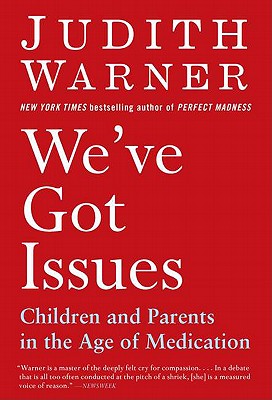
Judith Warner "started out thinking, from talking to people and reading blogs and newspapers and magazines, that overambitious parents and unfeeling doctors were pressuring children to succeed at all costs and callously using drugs to help. Then she talked to more people, particularly the parents and doctors who were giving children the drugs, and she read more blogs and newspapers and magazines. She had her epiphany and changed her mind. Actually, the children had real problems, and the parents and doctors were trying to help them."
Alison Gopnik warns of the dangers of preferring stories to science in her Slate article on Judith Warner's new book, We've Got Issues: Children and Parents in the Age of Medication.
Thursday, February 25, 2010
How the Obama administration sold out health care reform to big pharma
Terri Gross interviews the Sunlight Foundation's Paul Blumenthal on the secret deal the Obama administration made with the pharmaceutical industry. "By negotiating the secret deal, writer Paul Blumenthal explains, 'the Obama administration got the biggest lobby in Washington and put them on the side of health care reform.' Meanwhile, the pharmaceutical industry got a guarantee that 'Congress would not legislate any cost-cutting measures that would make a dent in industry profits.'"
The Fresh Air interview is here; Blumenthal's article is here.
The Fresh Air interview is here; Blumenthal's article is here.
It's 5:00 Somewhere.
There are now 24 drugs in development for the treatment of alcoholism or "alcohol use disorder."
"Can big pharma bring sexy back for low-libidoed ladies?"

The title was too good to change - and the article can be found here. Maybe bottles of little pink pills will soon be available from our friendly neighborhood pharmacy rep. It's not like disease mongering has ever resulted in a blockbuster pharmaceutical before...
Real patients in ads
Research shows that patients often rely on recommendations of their fellow patients rather than other resources. WSJ writes how pharmaceutical companies use real patients in their ads in order to increase sales and regain trust.
Drug testing in the minors

Deadspin's Tommy Craggs says that testing for HGH in minor league baseball is "just further evidence that we will never, ever stop being stupid about drugs." Read more here.
Wednesday, February 24, 2010
Schwitzer wins
The U of M's Gary Schwitzer has won MedGadget's award for best medical blog of 2009, for his Health News Review blog.
Subscribe to:
Posts (Atom)